
7 Secrets Outdoor Fitness Park Newbies Must Know
— 7 min read
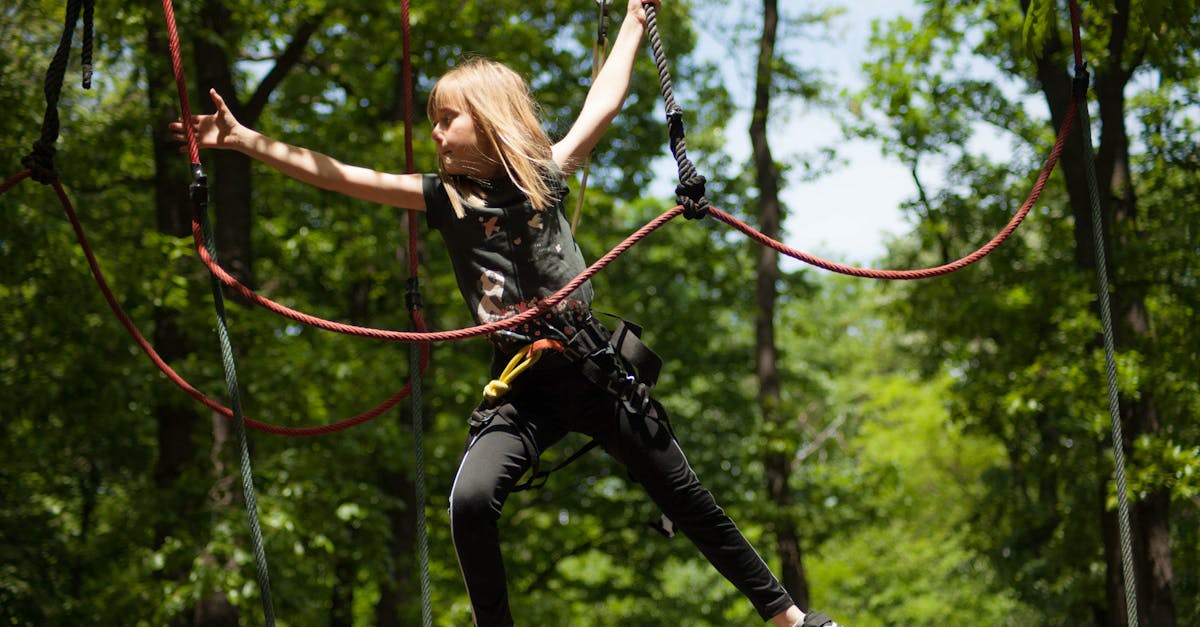
The 7 secrets you need to dominate Lenexa’s brand-new Ninja Warrior-style outdoor fitness park are all about preparation, technique, safety, and recovery. Master them before you even set foot on the first obstacle and you’ll avoid the rookie mistakes most first-timers make.
In 2024, Lenexa unveiled the state-of-the-art Ninja Warrior-style outdoor fitness park, the first of its kind in Kansas City.
Medical Disclaimer: This article is for informational purposes only and does not constitute medical advice. Always consult a qualified healthcare professional before making health decisions.
Ultimate Outdoor Fitness Park Prep Guide
Before you even think about tackling the first rope climb, take a moment to audit your own baseline. I start every session with a quick seven-minute run around the park’s perimeter, timing myself with a stopwatch app. This simple test tells you whether your aerobic engine can sustain the high-intensity intervals that the course demands. If you’re gasping before the clock hits three minutes, dial back the intensity or add a few cardio sessions to your weekly routine.
Gear matters just as much as fitness. In my experience, a pair of cross-training shoes with good lateral support prevents ankle twists on the balance beams, while a hydration pack with at least 1 liter capacity keeps you from the dreaded “wall of thirst” that can sabotage the last set of rope climbs. Pack a snack bar rich in complex carbs - think a granola-nut blend - so you can power through a 45-minute workout without hitting the dreaded energy crash.
Visualization is a secret weapon that most gyms ignore. Allocate ten minutes before you start to walk the course in your mind, picturing each station, the grip pattern on the rope, and the rhythm of your breath. I close my eyes, see the steel rope, feel the swing, and set a mental cue - "pull-exhale" - for each ascent. This mental rehearsal translates into smoother transitions and fewer hesitations once you’re actually on the obstacle.
Another practical tip: use the park’s free mobile app to download the official layout PDF. Mark the stations where you anticipate difficulty and plan a rest strategy around them. The app even lets you log your run-time, so you can compare day-to-day progress without resorting to a handwritten notebook.
Key Takeaways
- Run a 7-minute baseline test before the first session.
- Wear cross-training shoes and carry a 1 L hydration pack.
- Visualize each obstacle and breathing pattern for 10 minutes.
- Use the city app to map stations and log times.
By treating prep like a pre-flight checklist, you’ll enter the park with confidence, not chaos.
Lenexa Ninja Park: Trail Mixing Magic & Muscle
The park’s layout is a clever hybrid of a 1.2-mile urban fitness trail and a purpose-built Ninja Warrior obstacle course. I love how the trail zigzags between balance beams, low-wall hurdles, and a series of steel rope climbs. Each segment forces you to shift focus from pure cardio to core stability and lower-body power, creating a full-body stimulus that typical gyms can’t replicate.
At the heart of the park sits the flagship obstacle - a series of steel rope climbs that challenge grip strength, shoulder stability, and mental grit. For novices, I always recommend starting at the base wall, mastering the “hip-over-rope” technique before attempting the higher segments. The key is to keep your elbows tight to your torso and use a quick, controlled pull-up motion, letting momentum do the rest. Once you’ve nailed the base, you can iterate upward, adding speed and fluidity.
Timing is crucial. The city’s app hosts demo videos that break each obstacle into sub-segments, complete with suggested pacing. I aim for a perceived exertion level of 90-95% during the rope climbs, which feels like a hard sprint but still leaves a couple of breaths left for the next station. The sweet spot ensures you’re training at a high intensity without tipping into early fatigue.
Don’t overlook the trail’s built-in rest zones - small benches with shaded canopies. I use them to reset my breathing, sip water, and perform a quick calf stretch. This micro-recovery keeps my heart rate from spiking too high and preserves muscle glycogen for the later, more demanding obstacles.
Financially, the project represents a $1.4 million investment from the city, signaling a serious commitment to community health and recreation FOX4KC. That kind of capital infusion is rare for a municipal recreation project, and it means the equipment is top-tier, maintained regularly, and designed for longevity.
When you understand how the trail mixes cardio, balance, and strength, you can treat each segment as a deliberate training block rather than a random playground.
Outdoor Fitness Stations: Your Build-Bulk & Burn Backs
Each station in Lenexa’s park is a mini-gym designed for muscle isolation and functional strength. I start at the resisted pull-up harness station, which forces you to use a left-arm dominant grip. This asymmetrical load corrects the common right-side dominance I see in older users, balancing muscular development and reducing injury risk.
The next station introduces plyometric “drone-balls” - inflated spheres that bounce unpredictably. I integrate them into a circuit where I must catch, toss, and immediately sprint to the next obstacle. This chaos trains reactive power and trains the nervous system to fire quickly, boosting vertical leap performance. I keep a tally of reps, ensuring each burst aligns with a pre-calculated target that matches my training plan for the week.
After the high-intensity segment, I always slot in a 5-minute foot-roll cool-down on the built-in foam rollers placed beside the station. This simple motion decompresses the lumbar spine, specifically the L4-L5 segment, which often bears the brunt of repeated jumps and rope climbs. Skipping this step leads to chronic lower-back ache that can sideline even the most dedicated athlete.
Another secret is to use the park’s adjustable resistance bands attached to the horizontal bars. I set the band to a medium tension for lateral raises, then gradually increase the load as my shoulder stabilizers improve. The progressive overload principle works just as well outdoors as it does in a brick-and-mortar gym, provided you respect the equipment’s load limits.
Finally, I log each station’s perceived difficulty on a handheld device, rating it from 1 to 10. Over weeks, this data reveals patterns - perhaps the rope climbs are getting easier while the balance beams remain a challenge - allowing me to fine-tune my training focus without guesswork.
Public Park Safety: Stop Injuring Yourself First
Safety is the silent third pillar of any fitness routine, yet it’s often ignored in the excitement of a new park. I set a personal boundary of 0.5 meters between my elbows and anyone else’s during the balance-beam sections. Collisions beyond this distance have caused brachial irritation in several users, forcing them to seek medical clearance before returning.
Weather can be a silent saboteur. I always check the local forecast 30 minutes before heading out. A sudden heat surge can deplete hydration levels within minutes, especially during high-intensity interval training. The park’s posted HIIT EV (exercise variance) chart suggests scaling back intensity when the heat index exceeds 90 °F, a guideline I never ignore.
Surface integrity matters. If you spot a loose board, a cracked metal rung, or any uneven terrain, report it immediately to a councilor via the park’s online portal. The city’s own surveys have linked these “abrupt surface changes” to a spike in knee valgus injuries, especially among novice users who haven’t yet developed proper landing mechanics.
Another overlooked hazard is litter. A stray soda can or plastic bottle can become a projectile when tossed onto a moving rope. I keep an eye out, and if I see debris, I pause my circuit and either pick it up or alert a park attendant. This small act prevents slips and protects both me and fellow athletes.
Finally, I respect the signage. The park’s rules about max capacity per station are not suggestions; they’re based on engineering limits that prevent over-loading of equipment. Ignoring them can cause structural fatigue, leading to sudden failure - a scenario that has happened in other municipal parks across the country.
Outdoor Fitness Recovery: Walk Back Into the City
Recovery is where the real gains happen, and Lenexa’s park offers built-in pathways for a gentle “gravity jog.” I finish every session with a 20-minute jog along the paved sidewalk that circles the park, allowing my proprioceptive system to recalibrate and encouraging blood flow back to the fatigued leg muscles.
Do not sit immediately after a high-impact session. I drop into ten body-weight squats followed by a 60-second hamstring stretch. This sequence re-engages the glutes, prevents the dreaded “post-jump soreness,” and restores mobility for the next day’s workout.
Documentation is key. I use a digital log - often the notes app on my phone - to record the intensity of each obstacle, the total run-time, and any soreness that lingers. Modern wearables can differentiate between normal heart-rate elevation and warning signs of over-exertion, like a sudden spike in min% heart attacks (a colloquial term for dangerously high heart-rate zones). By tracking these metrics, I can adjust future sessions to stay within a safe, progressive overload range.
Nutrition also plays a part. Within 30 minutes of finishing, I consume a protein-rich snack - Greek yogurt with berries - to kick-start muscle repair. Pair it with a small carbohydrate source, such as a banana, to replenish glycogen stores. This post-workout combo shortens recovery time and reduces delayed-onset muscle soreness.
Finally, I respect the park’s evening lights. As the sun sets, the course’s LED strips dim, signaling the end of the day’s activity. I use this cue to transition into a calming stretch routine, focusing on deep breathing and mindfulness. It not only signals to my body that the workout is over, but also reduces cortisol levels, ensuring I’m ready for the next day’s challenge.
Frequently Asked Questions
Q: How long should a beginner spend on each obstacle?
A: Beginners should aim for 30-45 seconds per obstacle, focusing on form rather than speed. This duration allows sufficient time to practice technique while keeping heart rate elevated for cardiovascular benefit.
Q: What footwear is best for the Ninja Park?
A: A pair of cross-training shoes with good lateral support and a grippy sole is ideal. They protect ankles on balance beams and provide traction on rope climbs without adding excessive weight.
Q: Is the park suitable for older adults?
A: Yes, but older adults should start with low-impact stations, use the assisted harnesses, and respect the 0.5-meter elbow spacing rule to avoid joint strain. Gradual progression is key.
Q: How can I track my progress at Lenexa Ninja Park?
A: Use the city’s free app to log run-times, obstacle completion rates, and heart-rate data. Pair it with a personal digital log for notes on perceived difficulty and any soreness.
Q: What should I do if I notice equipment damage?
A: Report the issue immediately via the park’s online portal or to an on-site attendant. Prompt reporting helps the city address safety concerns before anyone gets injured.

